
It’s a busy evening. Homework is unfinished, dinner is on the stove and suddenly your child starts coughing aggressively and gasping for breath, again.
You reach for the reliever inhaler and yes, it helps. But somewhere at the back of your mind, a question lingers: “Is there something more I can do at home to prevent my child’s asthma from worsening?”
The answer is, yes. A lot more.
Asthma Care Is Not Just About Medicines. Medicines are very important. They reduce swelling in the airways and help your child breathe better. But asthma is also influenced by what your child breathes every day: at home, at school and even while playing.
That’s where home care makes a real difference.
Make Your Home a Safe Breathing Space. Many asthma triggers hide in plain sight. Dust from curtains, carpets and soft toys, Dust mites in pillows and mattresses, Smoke from cigarettes, agarbatti or cooking, Strong smells from perfumes or cleaning sprays
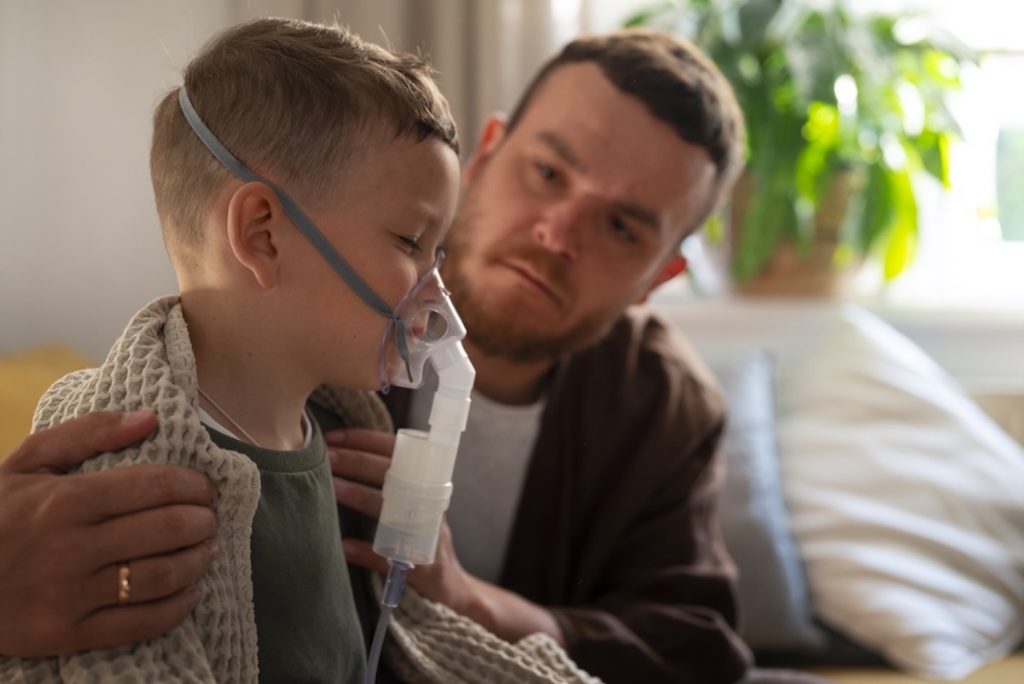
Even small steps can reduce daily triggers significantly.
In India, cold and viral infections are one of the biggest triggers for asthma flare-ups. That’s why prevention matters.
These simple habits can prevent many asthma attacks before they start.
Watch for Patterns, Not Just Symptoms. Asthma doesn’t behave the same way in every child. Some children cough after playing. Some during weather changes. Some only at night.
Start noticing patterns. When does your child cough or wheeze? After dust exposure? During a cold? After running? These clues can help you prevent triggers, not just treat symptoms.
Create a Calm Routine. Stress, lack of sleep and irregular routines can sometimes worsen symptoms. Ensure your child gets enough sleep. Encourage gentle physical activity. Maintain a regular daily routine
A healthy routine supports better overall asthma control. Use Medicines the Right Way. Even the best medicines don’t work well if not used correctly. Ensure proper technique, follow the doctor’s advice regularly, not just during symptoms. Correct use means better control and fewer attacks.
The Most Important Step: Stay Connected with Your Doctor
Asthma care is a partnership. If symptoms are increasing, If your child needs frequent reliever inhaler Or if something feels “not right”, don’t wait. Talk to your doctor.
The bottom line, asthma may be a long-term condition, but it does not have to control your child’s life. With the right care, at home and with your doctor, your child can run, play, laugh and live fully. Because sometimes, the biggest difference doesn’t come from more medicines but from how we care, observe and act at home.

Dr. Kaushik Chakrabarti
Consultant Paediatrician & Neonatalogist
© 2023 Healthy Lungs.